
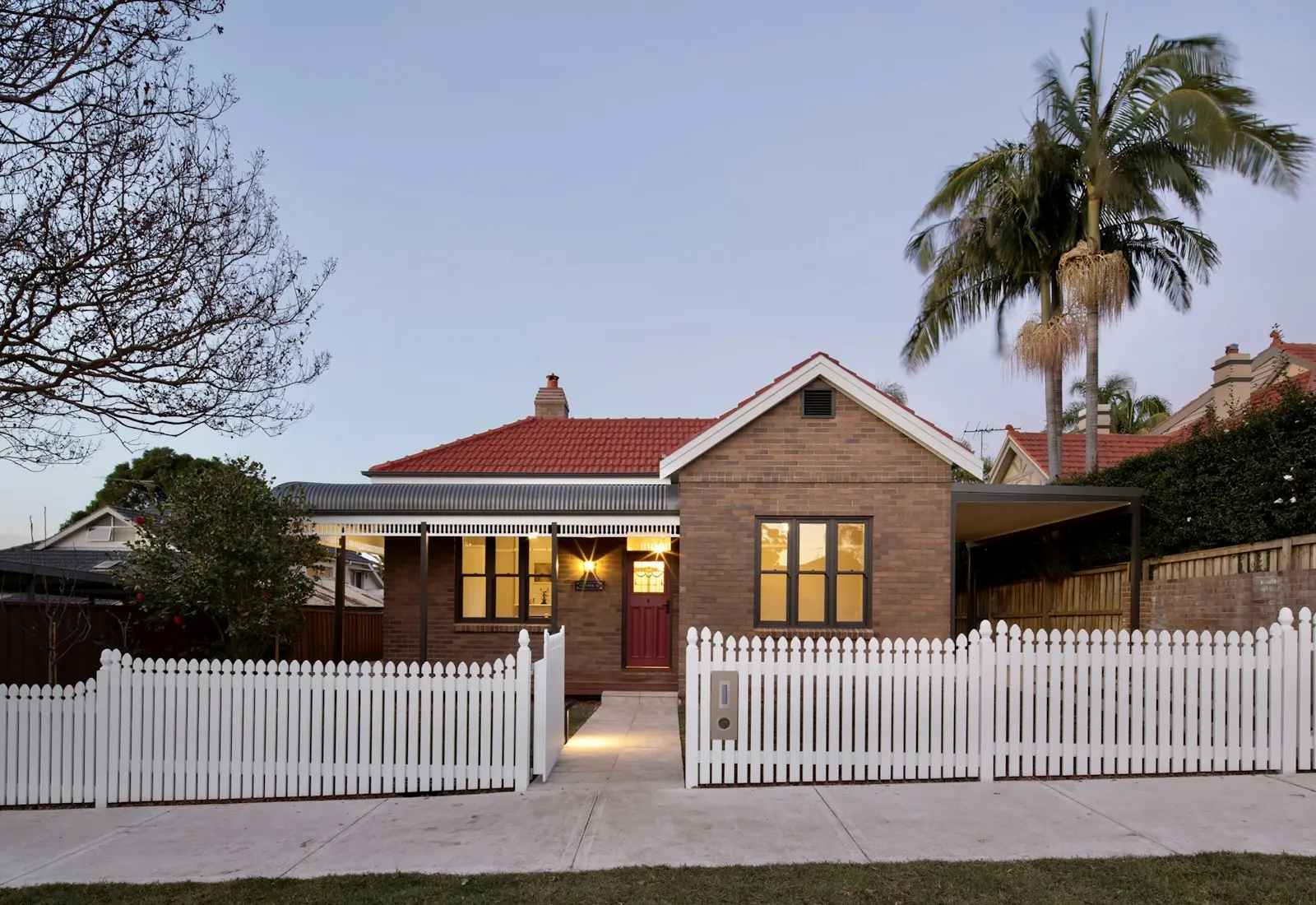
Moving out of your home does not have to end its main residence exemption straight away. The tax law lets you choose to keep treating it as your home for a time, even while it is rented. This guide explains how that choice works in general terms, what happens when the six years run out, and why the home’s value on the day it was first rented can matter years later.
What is the six-year rule?
It is part of the absence rule in section 118-145 of the Income Tax Assessment Act 1997. If a home that was your main residence stops being your main residence, you may choose to continue to treat it as your main residence:
- Up to six years if it is used to produce income. That includes renting it out or, the ATO says, making it available for rent.
- Indefinitely if it is not. For example, if it is left vacant or used as a holiday home.
The six years apply to each absence. If you move back in and later move out again, a new six-year period starts. The ATO also says the six years do not have to be in one block: in its example, a home rented for two periods of three years, with vacant periods in between, stays within the limit.
What are the conditions?
- It must have been your home first. The ATO says you cannot apply the main residence exemption to a period before a property first becomes your main residence.
- One main residence at a time. While you treat a former home as your main residence, you generally cannot treat another property as your main residence, except for up to six months when moving house.
- Part used for income before you moved out. If part of the home was used to produce income before you stopped living there, such as a rented room or a business area, the ATO says you cannot apply the absence rule to that part.
- Foreign residents. The ATO says that if you are a foreign resident when you sell, you are generally not entitled to the main residence exemption.
The choice is made when you prepare your tax return for the year you sign the contract to sell, and your accountant confirms whether it suits you.
What happens after six years?
If you use your former home to produce income for more than six years in one absence, the ATO says it is subject to capital gains tax for the period after the six-year limit.
The home first used to produce income rule in section 118-192 then generally applies. If the home was first used to produce income after 20 August 1996, you are treated as having bought it on the day it was first used to produce income, at its market value then. The ATO says the cost base is that market value plus any allowable costs since, and the taxable part of the gain is based on the time after the six-year limit.
The date is the day the home was first used to produce income, not the end of the six years. In the ATO’s own example, a home first rented in September 1999 and sold 25 years later is treated as acquired in September 1999, at its market value then.
Why the first rental date can matter, even within six years
If you sell within the six years and choose the absence rule for the whole time, the sale may be fully exempt, and the ATO says the “home first used to produce income rule” does not apply when the property is fully exempt. Plans change, though. The value on the day the home was first rented can come into play if:
- it is rented for longer than six years in one absence, or
- you buy another home and choose to treat that one as your main residence instead, as in the ATO’s example of an owner who rented out her old house from the day after she moved into her new one.
In those cases the home’s market value on the day it was first used to produce income is generally where the taxable gain is measured from. The ATO’s guidance is to get a market valuation of your home at the time, and it says you can arrange one later if necessary.
So a valuation at that date may be useful even if you expect the six-year rule to cover you, and it can be prepared later as a retrospective valuation. Your accountant can tell you whether one may be useful.
What we value, and what to send
We value the home as it was on the day it was first used to produce income, using sales of comparable homes from around that date. Changes since then, such as a new kitchen or an extension, are left out. Send what shows the home as it was:
- the first lease or the first rental listing, which shows when it was first rented or offered for rent
- photos from around that date, including the rental listing
- plans and dated invoices for renovations, both before and after the date
- the contract of sale and settlement statement from when you bought
The Desktop CGT Valuation is $149 and the Inspected CGT Valuation is $495, both including GST. See home becomes a rental for how we handle these requests, and what the valuer needs for the full checklist.
We value property. We do not give tax advice. Whether to make the absence choice, and which date to use, are for you and your accountant.